🏘️ Vivi e lavora da remoto nei borghi autentici d'Italia 🌈

❤️ Se non ti senti a casa in 48 ore, ti rimborsiamo e ti aiutiamo a trasferirti. ✅
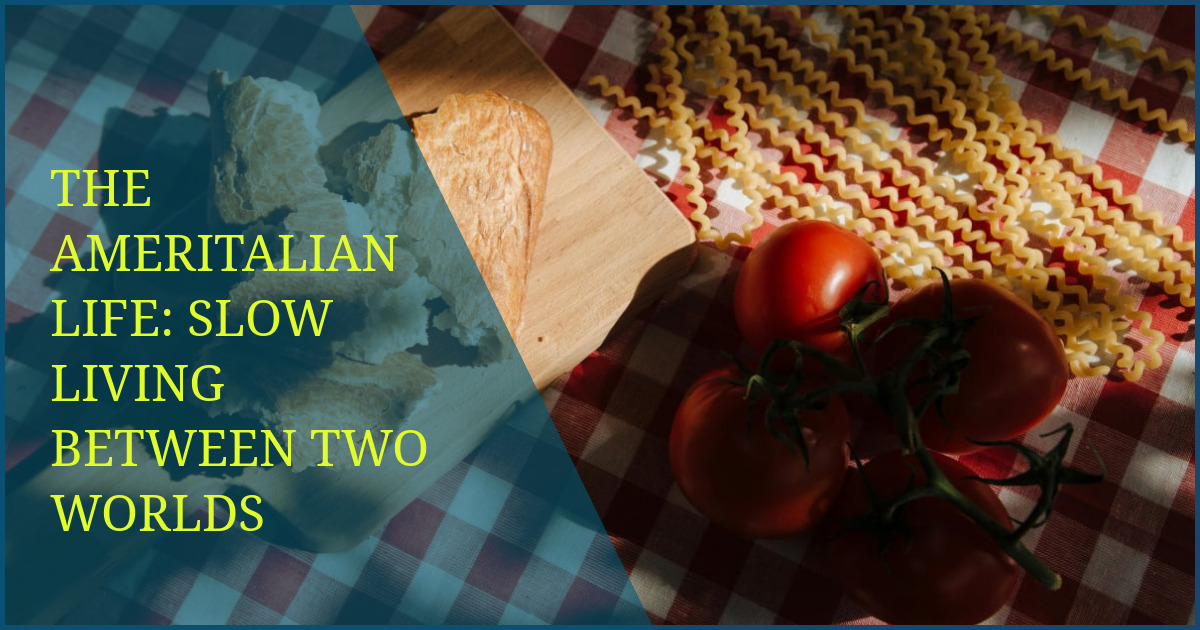
The Ameritalian Life: Slow Living Between Two Worlds
The Ameritalian Movement is a growing lifestyle trend where Americans are splitting their lives between the United States and Italy, driven by a deep desire for meaning and a more balanced life. This phenomenon is rooted in the psychology of burnout, emotional migration, and a reconnection to the rhythms that make us feel fully human. At Dolce Vita Coliving, we offer a unique opportunity to experience this lifestyle firsthand in our medieval village in Umbria.
Media credits:
Pexels / Ron Lach
Indice
🍂 Burnout and the Longing to Slow Down
💆 Why the Mediterranean Mindset Heals Emotional Fatigue
🏺 The Pull of History, Authenticity, and Nature
🌍 Identity, Heritage, and Finding Belonging Across Oceans
🦋 Post-Pandemic Shifts Toward Meaningful Living
🏡 Why Italian Villages Feel Like “Home”
🌿 The Wellbeing Benefits of Ameritalian Seasonal Living
🧳 Travel Tips for Your Own Ameritalian Experience
Escape to Italy: The Ameritalian Lifestyle Reset
The Psychology Behind the Ameritalian Movement: Why More Americans Are Splitting Their Lives Between Italy and the U.S.
It starts quietly—an ache you almost can’t name. A fatigue not just in the body, but in the soul. You might feel it somewhere between your third Zoom call of the day and the moment you realize it’s been weeks since a proper meal unhurried by deadlines. For an increasing number of Americans, this silent yearning is triggering a bold decision: to live seasonally between the United States and Italy. Welcome to the Ameritalian Movement, a growing lifestyle shift driven less by logistics and more by psychology, emotion, and a deep desire for meaning.
I first noticed it during a shared lunch under a fig tree in a quiet village in Umbria: a New Yorker who now spends six months of the year in Italy leaned over and said, “It’s not about escape—it’s about remembering who I am.”
This is the essence of the Ameritalian lifestyle, and understanding its pull means diving into something far deeper than a love of pasta or quaint piazzas. It’s woven from collective burnout, emotional migration, and a reconnection to the rhythms that make us feel fully human.
Burnout and the Longing to Slow Down
American culture glorifies speed. More is more. Yet, for all its productivity, the intensity of U.S. life often leads to chronic stress, weakened social bonds, and a disconnection from self. The World Health Organization has officially recognized burnout as an “occupational phenomenon,” and surveys continue to show high levels of emotional exhaustion among American professionals, particularly those working remotely.
Italy, by contrast, offers what many would call a radical reset.
Here, the morning unfolds slowly with espresso in a sunlit corner. Meals are communally enjoyed. Afternoons are made for walking through forests or lingering in stone piazzas. The Ameritalian lifestyle whispers the question: “What if doing less gives you more?”
Psychologists refer to this as cognitive restoration—immersing in a low-stress environment that allows the brain to declutter and reset. Italy doesn’t just slow time—it restores your capacity to feel.
Why the Mediterranean Mindset Heals Emotional Fatigue
At the core of what Italians call “la dolce vita” is a Mediterranean approach to life that prioritizes enjoyment, relationships, rest, and sensory pleasure. These are not indulgences—they are long-proven protectors of mental health.
According to behavioral research, community-based, slow-paced living improves emotional regulation, increases oxytocin (the social bonding hormone), and diminishes cortisol (the stress hormone). No wonder so many Americans report feeling their best while sitting under the terracotta roofs of Italy’s villages.
This isn't vacation euphoria—it’s emotional homeostasis. A remembered balance of pleasure and purpose.
The Pull of History, Authenticity, and Nature
There’s something deeply psychospiritual about walking medieval streets that haven’t changed in centuries. You feel the weight of history in your steps—in a good way. It calms the ego, loosens anxiety, and reconnects you to a lineage older and grander than your inbox.
In a world often defined by disposability and screen life, Italy’s resilient stone villages offer the priceless: authenticity.
Psychologists call it awe therapy: connecting with settings that inspire humility and wonder, which have been shown to increase emotional well-being and a sense of meaning. From the ruins of Roman aqueducts to candles flickering in 13th-century chapels, this is a place that speaks directly to the soul.
Identity, Heritage, and Finding Belonging Across Oceans
For many Americans—especially Italian-Americans—Italy is not just a destination but a return. Whether it’s tracing family roots or simply reconnecting with ancestral patterns of life where community and ritual define the day, Italy becomes a place of belonging.
Even for those without direct Italian heritage, the Ameritalian lifestyle appeals to a deep psychological need: the reconnection with identity and place. In a globalized, hypermobile world, place has become elusive. Yet in Italy, place still holds.
Walking to the village bakery at the same hour every morning, trading stories with the neighbor over a garden fence—these small rituals shape identity. According to psychoanalyst Erik Erikson, rituals and shared culture are crucial for developing a sense of self and continuity. Something many Americans find frayed back home.
Post-Pandemic Shifts Toward Meaningful Living
COVID-19 didn’t just disrupt lives—it reshaped desires. Remote work exploded. So did introspection.
Millions began to reevaluate their lifestyles, recognizing that productivity didn’t equate to personal satisfaction. A wave of workers decided to leave cities, prioritize health, and look for meaning-driven lives. The Ameritalian movement was born from this collective reckoning.
Italy offered a compelling contrast: work and life not in competition, but in harmony.
At places like Dolce Vita Coliving, nestled in the medieval village of Vallo di Nera in Umbria, digital nomads and professionals gather to live intentionally—sharing meals, coworking from ancient stone buildings, hiking through green landscapes, and rediscovering what it means to feel alive outside the urban grind.
You’ll find fast, reliable internet, but also local goat cheese, music festivals, and vineyard sunsets. It’s not just a break—it’s a better way of being.
Why Italian Villages Feel Like “Home”
For many U.S. residents who split their year between the two countries, their Italian home is not Rome or Milan, but small towns like Vallo di Nera, Norcia, or Spoleto. Why? Because human psychology thrives in small-scale communities.
According to sociological studies, communities of under 5,000 people offer greater feelings of safety, trust, and belonging. Faces become familiar. Places hold memories. You are missed when you’re gone, and welcomed when you return.
Small village life satisfies essential psychological needs:
Connection: Meaningful conversations happen daily.
Ritual: Life operates on shared rhythms—in meals, markets, and walks.
Purpose: Your presence matters. You contribute to something beyond yourself.
The Wellbeing Benefits of Ameritalian Seasonal Living
The data backs the dream.
Studies show that slower, community-rich environments:
Improve sleep and reduce anxiety
Increase creativity and problem-solving abilities
Encourage physical movement through walking and outdoor activity
Boost self-esteem through social engagement and meaningful routine
At its core, the Ameritalian lifestyle is not just a romantic adventure—it’s a health investment.
Whether you come for a few months, split your year in half, or fall so deeply into it you never go back, something shifts. You smile easier. Work flows smoother. Life feels not smaller, but fuller.
Travel Tips for Your Own Ameritalian Experience
Stops to Add:
Vallo di Nera: A breathtaking restored medieval village in Umbria; ideal for slow stays and community living.
Spoleto: Larger nearby town with music festivals, Roman bridges, and incredible food.
Norcia: Explore wild truffle country and sample black truffle pasta made with love.
What to Bring:
Comfortable walking shoes: the streets are cobbled and the views are best on foot.
A notebook or journal: inspiration hits differently in a 12th-century courtyard.
An open heart: locals will mirror your energy—bring sincerity.
Duration:
Stay for at least 4 weeks to truly ground into the rhythm. Many begin with a month and extend their stays indefinitely.
When to Go:
Spring (April–June) and fall (September–October) offer the best balance of weather, local happenings, and fewer crowds.
Suggested Food & Drink:
Umbricelli al tartufo (local handmade pasta with truffle)
Lentils from Castelluccio served with sausage
Montefalco red wine or a chilled Grechetto white
Fresh pecorino from local farms
Events to Catch:
Vallo di Nera's Fiorita Festival (late May/early June) – a floral transformation of alleys and walls
Fall wine harvest celebrations across Umbria
Weekly artisan markets where local producers offer the best of the season
If you're one of the countless Americans sensing that now is the time for a life reset—for reconnection, creativity, and community—you are not alone. The Ameritalian Movement is not about escape. It's about coming home to yourself in a place that remembers how life is meant to be lived.
🏡 Vivi anche tu il borgo: scopri le camere disponibili nel nostro coliving


Ready to experience it firsthand?
Come join us at Dolce Vita Coliving in Vallo di Nera, where the ancient meets modern, work dances with rest, and strangers quickly become friends.
Book your stay at 👉 dolcevitacoliving.com/book
Top Tools For Remote Living
- Italia.it – Official tourism guide to Italy 🇮🇹
- Umbria Tourism – Regional travel info for Umbria’s villages and experiences 🌄
- Coworker.com – Directory of coworking spaces throughout Italy 💼
- Nomad List – Compare cost of living for digital nomads 📊
- Workfrom – Discover remote work-friendly cafes and spaces globally 🧑💻


