🏘️ Vivi e lavora da remoto nei borghi autentici d'Italia 🌈

❤️ Se non ti senti a casa in 48 ore, ti rimborsiamo e ti aiutiamo a trasferirti. ✅
Ameritalian Life: Living Between Italy and the USA
Discover the Ameritalian Movement, a lifestyle trend that combines the best of Italy and the United States, allowing individuals to experience the slow living of rural Italy while maintaining connections back home. This guide explores the ins and outs of seasonal living between two cultures, including its benefits, challenges, and practical considerations. Learn how to make the most of this emerging trend and find your own path to a more balanced, fulfilling life.
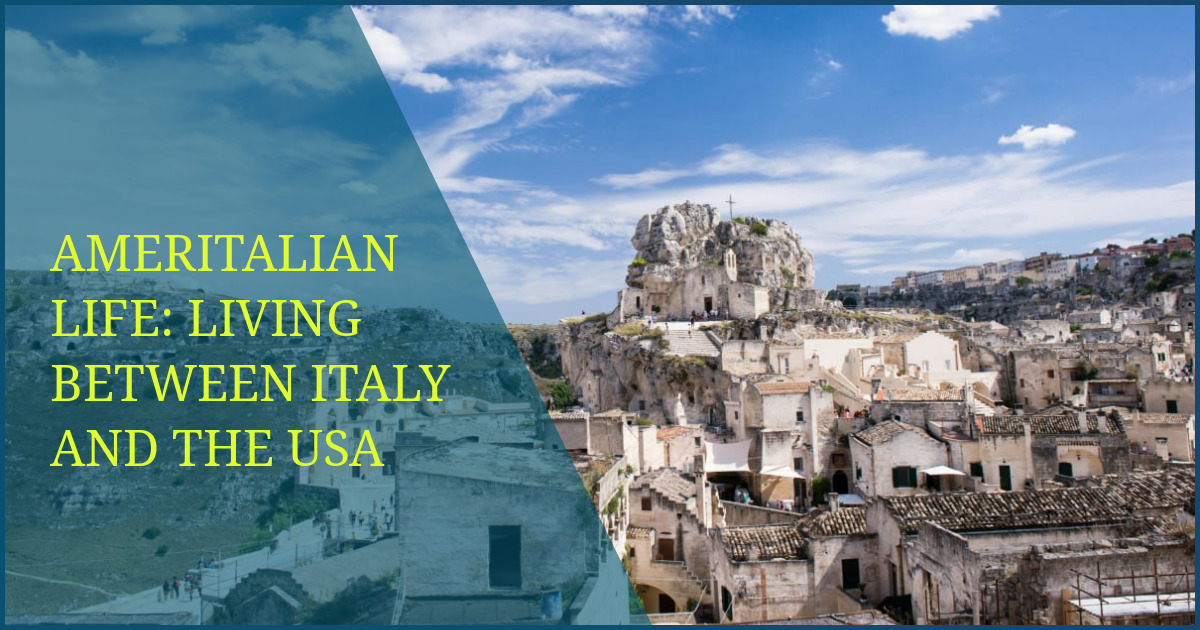
Media credits:
Pexels / Stefano Gatti
Indice
🧭 What Is the Ameritalian Movement?
🔍 Why Is the Ameritalian Lifestyle Emerging?
📅 Seasonal Patterns: How Ameritalians Split Their Time
🏘️ Villages, Towns, and the Value of Slowness
🎁 Benefits of the Ameritalian Lifestyle
⚠️ Challenges to Consider
🛂 Visa Overview for Seasonal Living
💸 Cost of Living: Italy vs. U.S.
🌄 Why Umbria?
📖 Real-Life Story Snippets
🏡 Try Before You Commit: The Rise of Rural Coliving
✨ Your Ameritalian Chapter Awaits
Discover the Ameritalian Lifestyle: Living Between Italy and the US
What Is the Ameritalian Movement? A Complete Guide to Seasonal Living Between Italy and the United States
“One foot in Tuscany, the other in Tahoe.” A new kind of lifestyle is quietly taking shape between the cypress-lined hills of central Italy and the endless suburbs and cities of the U.S.— and it has a name: the Ameritalian Movement.
This guide offers a rich introduction to this emerging trend where U.S. citizens spend part of their year living in Italy and the rest back home. Whether driven by remote work flexibility, a yearning for cultural connection, or the glow of Mediterranean slow living, seasonal living between Italy and the U.S. is becoming the new ideal for many modern nomads.
What Is the Ameritalian Movement?
The Ameritalian Movement is a growing lifestyle trend that blends American rootlessness with the grounded lifestyle of Italy. It refers to U.S. citizens who choose to live part-time in Italy, often alternating seasons—spring and fall in Italy, and summer and winter in the United States.
Unlike traditional expatriation, Ameritalian living values balance over permanence, connection over escape, and slowness over speed. It represents a conscious choice to craft a life across two cultures, intentionally embracing each location for what it offers seasonally, emotionally, and culturally.
Why Is the Ameritalian Lifestyle Emerging?
The rise of this movement isn't accidental. Several overlapping global trends have opened a fertile space for Ameritalian living:
📡 Remote Work Freedom
The post-pandemic world has seen a rise in fully-remote jobs, allowing professionals to work not just from home, but from anywhere with strong Wi-Fi and a decent espresso.
🌍 Lifestyle Reimagining
A desire to rewrite life scripts—especially after Covid—has pushed many to seek meaning, wellness, and joy in unconventional places. Italy’s laid-back rhythm offers an antidote to American hustle culture.
💶 Cost of Living & Value
In many areas of rural and central Italy, the cost of living is lower than major U.S. cities. What you might pay for a one-bedroom apartment in San Francisco could cover a month-long stay in a charming Umbrian villa—wine included.
🇮🇹 Reconnecting with Roots
For Italian-Americans, the pull is even stronger. Living in Italy offers a chance to explore family heritage, learn the language, and immerse in ancestral traditions.
⏳ Embracing Slow Living
There’s a romantic—and increasingly practical—appeal to towns where time moves slowly, bread is baked daily, and neighbors are friends. The Ameritalian lifestyle is, at its heart, about savoring life.
Seasonal Patterns: How Ameritalians Split Their Time
There’s no one-size-fits-all formula, but certain patterns have emerged among seasonal migrants:
Spring (March–May): Italy blooms—wildflowers, festivals, and markets abound. A favorite time for Ameritalians to settle into small towns.
Summer (June–August): Many retreat back to the U.S. to visit family, avoid Italy's August heat (and closures), or spend warmer months at American lakes and mountains.
Autumn (September–November): Back to Italy for harvest season—think truffles, wine, and a golden countryside. Remote work feels magical under a chestnut tree.
Winter (December–February): Some Ameritalians enjoy time back home for the holidays or take advantage of the U.S.’s winter activities before returning to Italy in spring.
The rhythm is often tied to climate, family needs, and employment flexibility. And increasingly, people are integrating Italian seasons into their life stories—like a rotation of chapters that repeat with deeper meaning each year.
Villages, Towns, and the Value of Slowness
Urban fatigue is real. Many Ameritalians are not flocking to Rome or Milan, but rather gravitate toward rural villages and small towns where slow living is not a trend but a tradition.
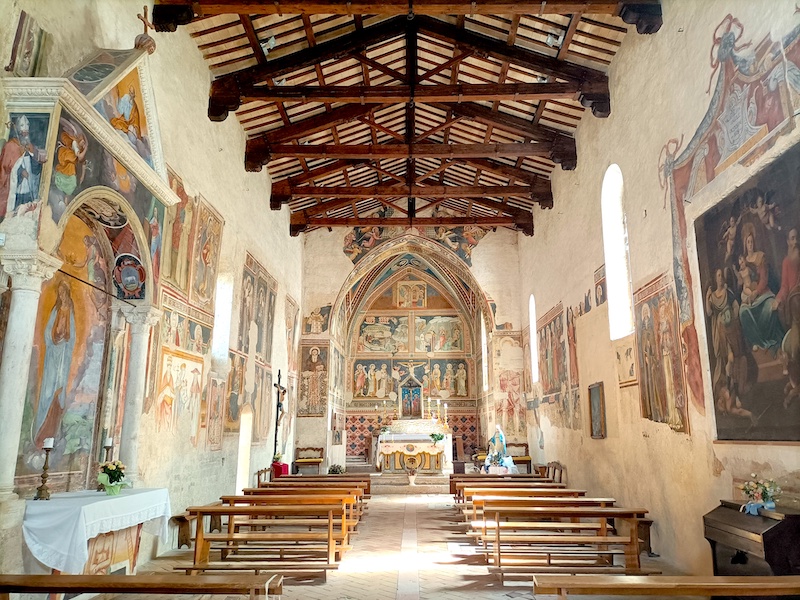
In places like Vallo di Nera in Umbria—an intact medieval village nestled in green hills—you don’t need to “make plans.” Life happens naturally here: morning bar chats, long lunches, and community festivals offer more value than endless Zooms and Margarita Mondays.
Choosing the village life means savoring simplicity: walking to the market, having wine with neighbors, working with birdsong in the background. It’s the authentic connection many urban transplants didn’t realize they were missing.
Benefits of the Ameritalian Lifestyle
✅ Work–Life Balance: The pace in Italian villages enables work productivity without soul burnout.
✅ Cultural Immersion: Living like a local deepens one’s understanding of Italy—the language, customs, cuisine.
✅ Increased Wellbeing: Better food, less stress, more connection with nature.
✅ Affordable Luxury: Gourmet, organic food at everyday prices. Stone cottages with storybook views—without the mortgage.
✅ Personal Growth: Learning a new culture and language expands identity and perspective.
Challenges to Consider
👔 Visa Timelines: Americans can only stay in the Schengen area (which includes Italy) for 90 days in any 180-day period unless they apply for a long-stay visa (see below).
💬 Language Barrier: In rural areas, English is not guaranteed. Embracing Italian—or at least trying—makes a big difference.
🕵️♀️ Bureaucracy: Italian bureaucratic systems can be complex and slow. Patience isn’t optional—it’s essential.
👪 Family Logistics: For those with kids, school and social routines need careful planning.
Visa Overview for Seasonal Living
Without a visa, U.S. citizens can stay in Italy for up to 90 days every 180 days. If living longer in Italy is your goal, consider:
Elective Residency Visa – Ideal for retirees or financially self-sufficient individuals.
Digital Nomad Visa (in development) – Italy has announced plans for this Europe-wide trend, targeting remote workers.
Student Visas or Cultural Visas – For those attending courses or cultural programs.
Dual Citizenship – For Italian-Americans, claiming citizenship through ancestry can be a life-changing opportunity.
Cost of Living: Italy vs. U.S.
| Expense | Small Village in Umbria 🇮🇹 | Medium U.S. City 🇺🇸 |
| Rent (1BR) | €450–€650/month | $1,500–$2,000/month |
| Groceries | €200–€300/month | $400–$600/month |
| Dining Out | €12–€20 per meal | $20–$40 per meal |
| Cappuccino | €1.20 | $4.50–$6 |
| Healthcare | Public system, low out-of-pocket | Private or high deductibles |
Pro tip: Living seasonally in Italy can actually reduce annual living expenses. Many Ameritalians find they save money even with flights included, especially when staying in less touristy locations.
Why Umbria?
Just between Rome and Florence, Umbria is often called the “green heart of Italy”—and for good reason. With its dense forests, hilltop villages, and river-carved valleys, Umbria offers a rustic, spiritual calm that Tuscany’s tourism-heavy enclaves sometimes lack.
In villages like Vallo di Nera, where life slows to the rhythm of church bells, Ameritalians find an authentic, community-rich retreat. Here, one might:
Work with a vineyard view from a centuries-old stone building
Participate in harvest festivals and pasta-making nights
Bike the greenways along the Nera River
Sip Sagrantino wine after a morning of remote meetings
There are no skyscrapers, no Ubers, and almost no chain stores. Just olive groves, piazzas, fresh bread, and people who say “buongiorno” and mean it. For a true Italy-U.S. seasonal migration experience, Umbria is the hidden gem.
Real-Life Story Snippets
Elena, 34, tech copywriter from Chicago, spends April–June and September–November in Italy. “Spring in a medieval village is a dream,” she says. “I work early, then take a long walk before lunch. I’ve never been happier or more productive.”
Mike & Lisa, 50s, from Northern California, discovered multi-seasonal living during a sabbatical. “We thought Tuscany would be too expensive, and stumbled onto Umbria. It became our sanctuary. We now rent the same apartment every spring.”
Try Before You Commit: The Rise of Rural Coliving
Not ready to buy a cottage or navigate visa paperwork yet? Consider test-driving the lifestyle in one of Italy’s diffused coliving communities—spaces designed for remote workers who want to experience authentic village life without the hassle.
Dolce Vita Coliving is one such place, located right in the heart of a restored medieval village. It offers high-speed internet, coworking spaces, and a real sense of belonging—all surrounded by nature and timeless Italian charm.
It’s ideal for anyone curious about living part-time in Italy but not ready to commit fully. Come for a month, stay for a season, and see how it feels to truly live the Ameritalian dream.
Your Ameritalian Chapter Awaits
Whether you're craving connection, dreaming of a slower pace, or rethinking “home” entirely, the Ameritalian Movement offers a compelling vision for modern living.
🏡 Vivi anche tu il borgo: scopri le camere disponibili nel nostro coliving


Discover The Ameritalian Seasonal Lifestyle Trend
Discover Dolce Vita Coliving 🏰🌿—a magical medieval village in Umbria transformed into a remote work paradise for digital nomads and slow-living seekers 💻🍷✨! Experience authentic Italy, build lasting connections, and unwind in nature 🌞 Book your stay now at dolcevitacoliving.com/book!
Top Tools For Remote Living
- Italia.it – Official tourism guide to Italy 🇮🇹
- Umbria Tourism – Official portal for travel and culture in Umbria 🌻
- Nomad List – Compare cost of living and remote work conditions worldwide 🌍
- Workfrom – Find remote work-friendly cafes and spaces globally ☕💻
- Coworking Map – Discover coworking spaces across Italy and Europe 🗺️


