🏘️ Live and work remotely in Italy's authentic villages 🌈

❤️ Love it in 48 hours, or we'll refund you and help you move ✅
Ameritalians and the Revival of Rural Italian Villages
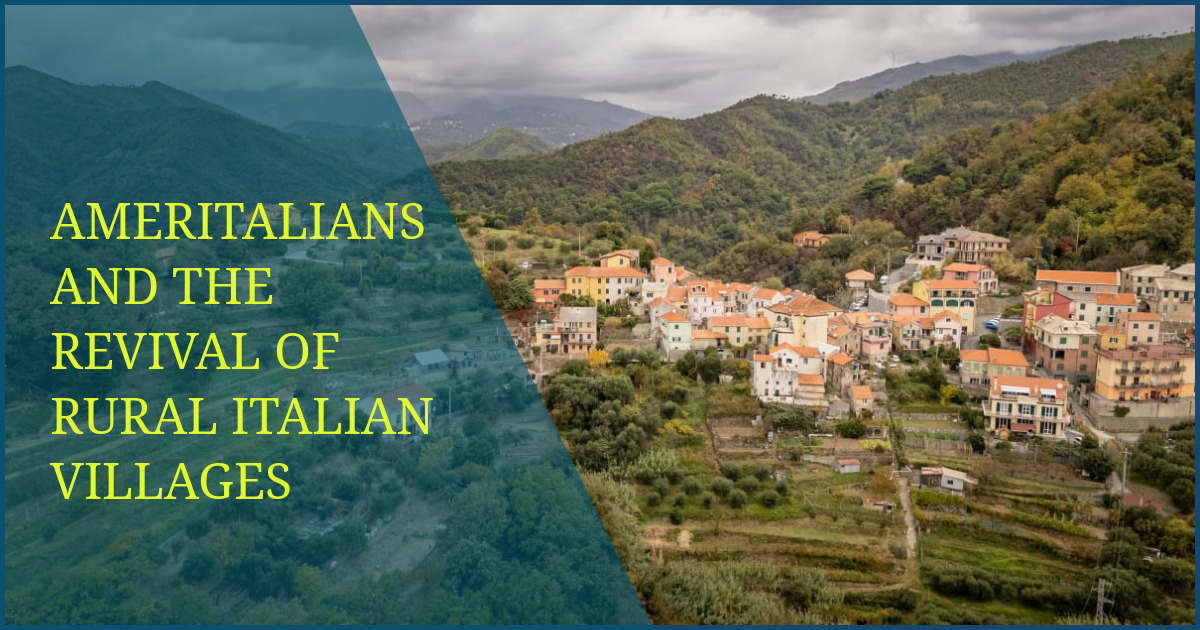
In the heart of Italy, a quiet revolution is underway, transforming rural villages into thriving communities. At Dolce Vita Coliving, a medieval village turned coliving paradise, remote workers and digital nomads can experience authentic Italian slow living. This unique blend of work, community, and adventure is reviving rural Italy, one village at a time. Let's explore how this movement is transforming the landscape.
Media credits:
Pexels / Christoph Hanssen
Table of Contents
🏡 The Ameritalian Effect: Life Returning to Italy's Forgotten Corners
🤝 How Locals and Newcomers Revive Rural Italy Together
🌍 Coliving: The Engine Behind Modern Village Life
🧳 Travel Notes for Aspiring Ameritalians in Umbria
⏳ Why Now?
Reviving Rural Italy Through Coliving and Community Building
Living the Renaissance: How Ameritalians Are Reviving Rural Italy, One Village at a Time
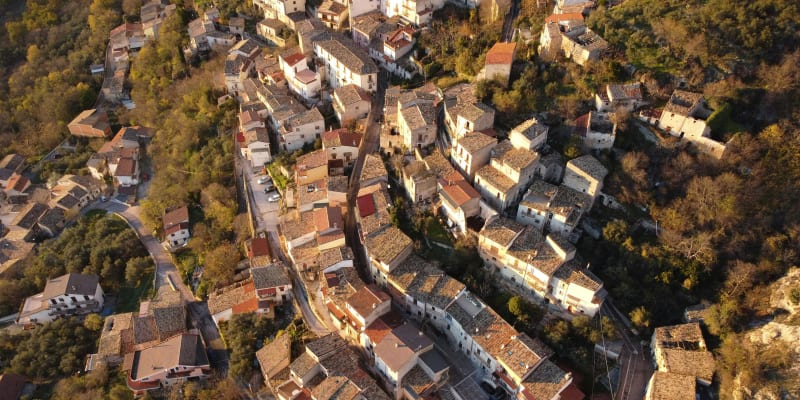
There’s a quiet revolution taking place in the heart of Italy, and it isn’t happening in Rome, Florence, or Venice. It’s happening in the green, stonewalled labyrinths of rural villages like Vallo di Nera, in the enchanted hills of Umbria, where a new kind of resident — seasonal American dwellers affectionately dubbed Ameritalians — is helping breathe life back into Italy’s forgotten countryside.
This movement is a beautiful blend of nostalgia and renaissance. Fueled by dreams of “la dolce vita,” these Americans in Italian villages aren’t just indulging in scenic getaways — they’re choosing mindful lives, rooted in simplicity, community, and cultural exchange. In return, they’re assisting with the repopolamento dei borghi — the revitalization of ancient Italian villages long marred by depopulation.
I recently spent a few weeks tucked away in one of these reborn villages through Dolce Vita Coliving, a community-focused coliving project nestled in fully-restored medieval buildings, offering remote workers the magical chance to work where earth meets history. What I saw proved that this lifestyle is more than a trend; it’s a template for meaningful, sustainable living — and rural Italy is embracing it.
Let’s take a closer look at how this movement is transforming the landscape.
The Ameritalian Effect: Life Returning to Italy's Forgotten Corners
Italy’s rural villages have seen dramatic shifts over the last century, with waves of migration draining once-bustling borgos of their youthful energy and handicraft-based economies. Small towns in regions like Umbria, Le Marche, and Abruzzo emptied out as generations left for cities or emigrated overseas, especially to the U.S.
Today, a growing number of Americans — some with ancestral ties, many simply seduced by Italy’s slower rhythms — are returning to these regions, not just to vacation, but to live, work, and invest in new roots. Whether it’s buying and renovating old stone homes, planting gardens, or opening artisan shops, these “Ameritalians” are reviving old buildings and boosting the local economy.
“Moving here wasn’t about escape,” one New Yorker I met in Vallo told me. “It was about rediscovery. I found culture, purpose, and connection — things I didn’t even know I was missing.”
This personal transformation often goes hand in hand with community transformation.
How Locals and Newcomers Revive Rural Italy Together
The most beautiful part of this phenomenon is the symbiosis. New residents support local shops — buying bread from family-run panifici, sipping cappuccinos from ancient bars whose marble counters have seen centuries of conversation. In return, they are warmly embraced into the community. I watched Americans take part in olive harvests with neighbors, join traditional cooking classes, and help run tourism festivals that lure guests and Euros into once-dormant economies.
With the infusion of curious, respectful new residents, even the oldest traditions — dialects, folk songs, wood-fired bread baking — are passed on in workshops and gatherings. Locals feel new pride in their culture, seeing it honored and reimagined.
This exchange feels less like tourism and more like a relationship between cultures. Everyone brings ingredients to the communal table.
Coliving: The Engine Behind Modern Village Life
You might wonder: how do short-to-mid-term residents integrate so quickly — and how can they have such a positive impact?
Enter coliving villages like Dolce Vita Coliving. Set deep in the lush Valnerina valley in Umbria, Dolce Vita is more than a place to work remotely; it's a thoughtfully curated environment that accelerates integration through shared meals, collaborative projects, and proximity to locals.
With fast fiber-optic internet, cozy coworking rooms nestled within medieval walls, and homes restored with recycling materials and love, Dolce Vita offers something most people didn’t know they were missing: a sense of connection — to land, people, and time.
Coliving provides a bridge. Residents aren’t isolated; they’re guided. Weekly dinners with locals, foraging hikes, cheese-making workshops—all help blur the lines between guest and villager. Visitors end up helping at the market, participating in saint festivals, and understanding what makes a community thrive.
Equally important is economic sustainability: coliving spaces operate year-round, unlike seasonal hotels or Airbnbs, and attract guests who stay for weeks (even months). This consistency supports artisan shops, plumbing jobs, cafes, laundry services, and event organizers even in quieter months.
Travel Notes for Aspiring Ameritalians in Umbria
If you’re considering experiencing rural Italy not as a tourist, but as a temporary villager — here’s a practical mini guide based on my experience.
Suggested Stop: Vallo di Nera
Duration: Stay at least 3–4 weeks to truly feel at home, but even two weeks offer deep immersion.
Difficulty: Moderate — you’ll be walking stone-paved streets and living without big-city conveniences but gaining something soul-satisfying in return.
What to bring: Comfortable walking shoes, a light jacket (it can get breezy in the hills), a reusable water bottle, swimwear for nearby river dips, a good book, and an open heart.
Local Events to Attend:
Infiorata dei Fiori (June): Streets are covered in flower mosaics; a celebration of beauty and renewal.
Sagra della Trota (July): Trout festival with music and riverside feasting.
Truffle Fest in Norcia (30 mins away): Autumn brings the hustle of white and black truffle hunting.
Food & Drinks to Try:
Strangozzi al tartufo — hand-rolled pasta with local truffle.
Pecorino stagionato — aged sheep cheese with herbal undertones.
Crescionda — a traditional Spoleto-area dessert made with chocolate, eggs, and sambuca.
Montefalco Sagrantino — bold red wine, rich and earthy like the land itself.
Why Now?
What’s making rural Italy appealing in this moment isn’t just the food or affordability (although both are stellar). It’s the sense that life here is lived with intention. There's room to breathe, to listen, and to become part of something rooted.
Finding a coliving space like Dolce Vita Coliving means having an easy entry into this slower, richer lifestyle. You don’t need to buy a house or speak fluent Italian — what you need is curiosity, respect, and a willingness to live differently.
As more people work remotely and reevaluate their priorities post-pandemic, destinations like this offer an antidote to burnout. For many, that first few weeks in a medieval borgo become an annual ritual... or the beginning of a new chapter entirely.
Ready to give village life a try?
Immerse yourself in Italian village life with a short- or long-term stay at Dolce Vita Coliving, where history cradles modern ambition. Whether you’re seeking inspiration, healing, or just a taste of real community under the Umbrian sky, you’ll find it here.
👉 Book your experience now at: dolcevitacoliving.com/book
🏡 Live the village life: discover the available rooms in our coliving


How Ameritalians Are Reviving Rural Italian Villages
Escape the hustle and embrace slow living at Dolce Vita Coliving 🏰🌿 – a stunning medieval village in Umbria turned into a cozy home for digital nomads, remote workers, and creatives 💻✨ Ready to work, connect, and unwind in Italy? Book now at dolcevitacoliving.com/book 🇮🇹🧳
Top Tools For Planning Remote Life
- Italia.it – Official tourism guide for exploring regions, villages, and cultural heritage across Italy 🇮🇹
- Umbria Tourism – Official site for travel tips, events, and destinations in the Umbria region 🌿
- Nomad List – Compare cost of living, internet speed, and remote work suitability for thousands of cities 📊
- Coworker – Discover and book coworking spaces in Italy, from cities to rural regions 🧑💻
- Remote OK – Find remote work opportunities compatible with a slow travel lifestyle 🌍


